
The artificial intelligence revolution is no longer driven solely by software. In 2026, the battle for AI leadership has expanded into hardware, where companies are racing to build the chips and computing platforms that will power the next generation of AI assistants, agents, and enterprise systems.
Recent announcements from NVIDIA, Intel, and Microsoft highlight a growing trend: the future of AI depends on specialized hardware designed specifically for AI workloads. From powerful desktop chips to data-center processors and AI-enabled Surface devices, the industry’s biggest players are investing heavily in a new generation of computing infrastructure.
🚀 NVIDIA Launches RTX Spark for the AI Era
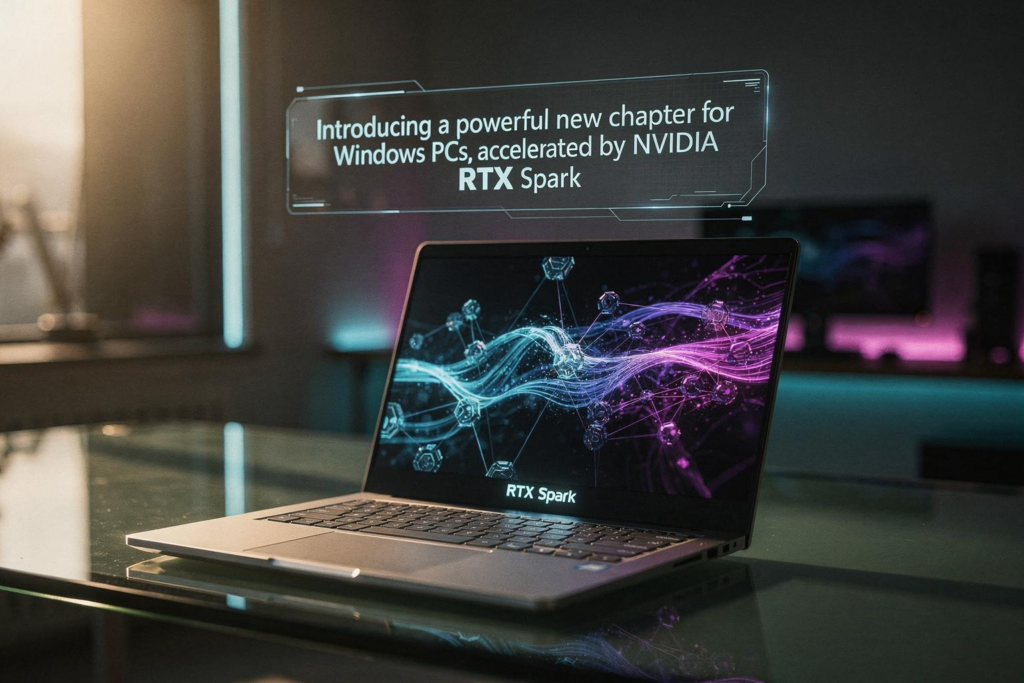
NVIDIA has introduced its new RTX Spark platform, a family of AI-focused chips designed for laptops and desktop PCs. The company describes RTX Spark as a new class of computing platform built specifically for personal AI agents.
Key Features of RTX Spark
- Up to 1 petaflop of AI performance
- NVIDIA Blackwell GPU architecture
- Up to 128GB unified memory
- Support for large AI models running locally
- Optimized for AI agents, creators, and developers
- Integration with the NVIDIA CUDA and RTX ecosystem
The biggest shift is NVIDIA’s vision of turning PCs into platforms capable of running AI assistants directly on-device rather than relying entirely on cloud services.
Why It Matters
As AI agents become more sophisticated, users increasingly want:
- Faster responses
- Better privacy
- Reduced cloud dependency
- Offline AI capabilities
RTX Spark aims to make local AI processing practical on consumer hardware.
🧠 Intel Introduces Xeon 6+ for AI Agents and Data Centers


4
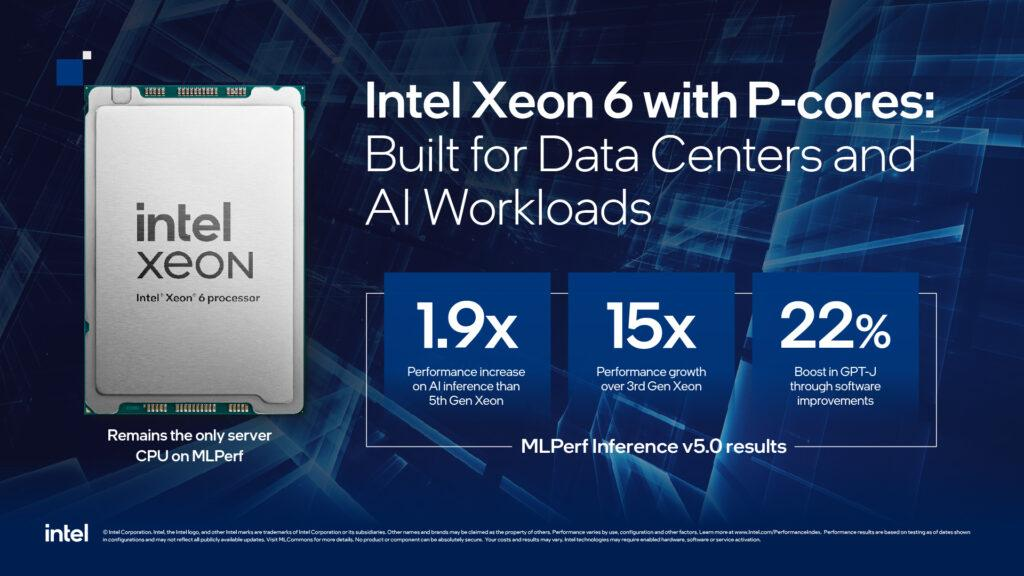
Intel is focusing on the infrastructure side of the AI boom with its new Xeon 6+ processor family.
The company says these processors are designed for cloud-native workloads, AI-driven systems, and emerging agent-based applications that require massive concurrency and efficient orchestration.
Xeon 6+ Highlights
- Up to 288 Efficient-cores
- Built on Intel’s 18A process technology
- Enhanced power efficiency
- Improved memory bandwidth
- Designed for AI-driven data centers
- Support for large-scale agentic AI workloads
Intel argues that CPUs remain critical even in AI environments dominated by GPUs because they coordinate workloads, manage data movement, and orchestrate AI agents operating across complex systems.
The Agentic AI Opportunity
The company believes the next major wave of AI will involve autonomous agents capable of completing tasks rather than simply responding to prompts. Supporting those systems requires powerful server infrastructure, creating new opportunities for Xeon processors.
💻 Microsoft Brings Next-Generation AI Hardware to Surface
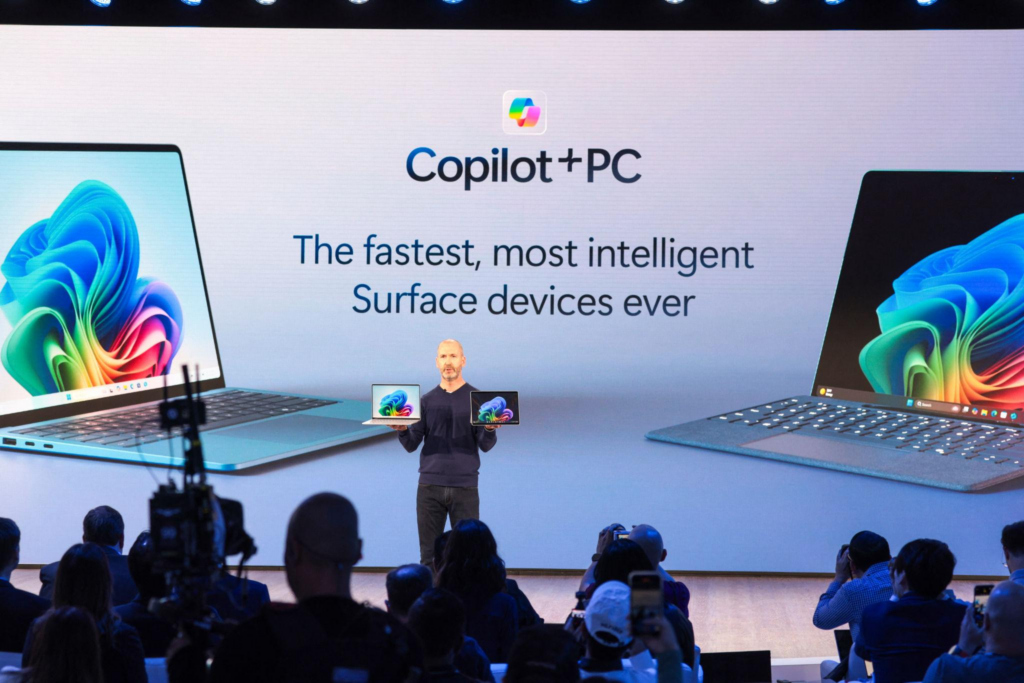
Microsoft is also accelerating its AI hardware strategy by integrating advanced AI-focused chips into future Surface products.
One of the most notable announcements is the Surface RTX Spark Dev Box, a compact AI development system powered by NVIDIA’s RTX Spark technology. The device is designed to help developers build and test large AI models locally.
Surface AI Hardware Features
- Up to 128GB unified memory
- Local execution of large AI models
- CUDA support
- Native AI development tools
- Designed for enterprise AI workloads
- High-performance AI computing in a compact form factor
Microsoft and NVIDIA are also collaborating on Windows-native AI experiences, positioning future PCs as platforms for intelligent personal agents.
🔥 The Shift Toward On-Device AI
A major theme connecting all three companies is the move toward local AI processing.
For years, AI workloads largely depended on cloud infrastructure. However, advances in hardware now allow increasingly powerful models to run directly on PCs and workstations.
Benefits of On-Device AI
- Lower latency
- Improved privacy
- Reduced cloud costs
- Offline functionality
- Faster AI responses
This shift is expected to create an entirely new category of AI-first devices.
🌐 Why the AI Hardware Race Matters

The AI industry is entering a phase where hardware determines capability.
Companies that control the underlying infrastructure gain advantages in:
- AI model deployment
- Developer ecosystems
- Enterprise adoption
- Consumer experiences
- Cloud services
The competition between NVIDIA, Intel, Microsoft, and other technology giants is becoming as important as the competition between AI models themselves.
📈 What Comes Next?
Industry analysts expect several major trends over the next few years:
1. AI-Native PCs
Computers designed from the ground up for AI workloads.
2. Larger Local Models
Powerful language models running directly on consumer hardware.
3. Specialized AI Chips
Dedicated processors optimized for AI inference and agent execution.
4. Hybrid AI Computing
Combining local processing with cloud intelligence.
5. Agent-Based Computing
Systems capable of performing tasks autonomously across applications.
🎯 Conclusion
The AI hardware race is accelerating rapidly. NVIDIA’s RTX Spark platform is bringing powerful AI capabilities to laptops and desktops, Intel’s Xeon 6+ processors are targeting the growing demand for AI-driven data centers, and Microsoft is integrating next-generation AI hardware into the Surface ecosystem. Together, these developments signal a major transformation in computing.
As AI moves beyond chatbots and into autonomous agents, the companies that build the most efficient and powerful hardware may ultimately shape the future of artificial intelligence itself.