Studying abroad is an exciting milestone, and Poland has become one of the most attractive destinations for international students in Europe. With its affordable education system, rich cultural heritage, and growing number of English-taught programs, Poland offers a balanced mix of academic opportunity and vibrant student life. However, like any country, it also comes with its own adjustments and expectations that international students should be prepared for.
1. Academic Environment and University System
Polish universities are known for their strong academic foundations, especially in fields like medicine, engineering, computer science, and business. Many institutions offer programs in English, making it easier for international students to adapt.
However, the academic style in Poland can feel quite formal and structured. Professors expect students to be independent, disciplined, and proactive in their learning. Unlike some countries where continuous coursework dominates grading, Polish universities often rely heavily on final exams.
Students may also notice that class attendance policies vary. In some programs, attendance is mandatory, especially for practical or lab sessions, while in others, it is more flexible but still strongly encouraged.
Overall, international students should be ready for a system that emphasizes self-study and academic responsibility.
2. Cost of Living and Student Budgeting
One of the biggest advantages of studying in Poland is its relatively affordable cost of living compared to Western Europe. Cities like Kraków and Warsaw offer a good balance between quality of life and expenses.
On average, students spend on accommodation, food, transport, and leisure within a reasonable monthly budget. Dormitories are the cheapest housing option, while private apartments are more expensive but offer greater comfort and privacy.
Public transportation is highly efficient and discounted for students, making it easy to travel within cities. Grocery shopping and eating at student cafeterias are also budget-friendly compared to many other European countries.
Still, students should plan their finances carefully, especially during the first few months when initial setup costs like deposits and documentation may be higher.
3. Social Life and Cultural Experience
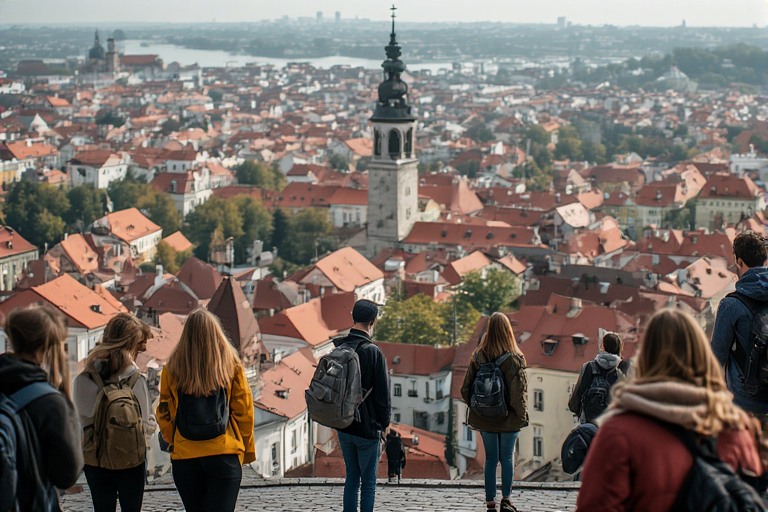
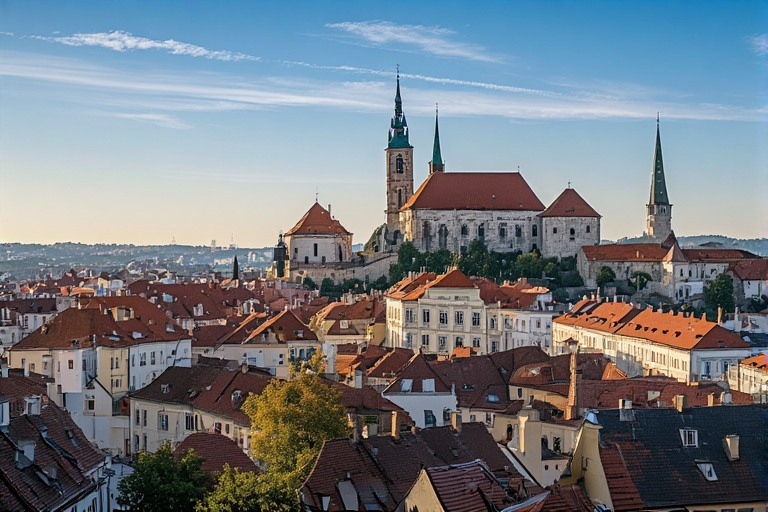
Student life in Poland is not just about studying—it is also about experiencing a rich cultural environment. Polish cities are full of historical architecture, museums, music festivals, and seasonal events.
International students often find Polish people friendly but initially reserved. It may take some time to build close friendships, but once connections are made, they tend to be strong and meaningful.
Universities often have student organizations, Erasmus groups, and cultural clubs that help international students integrate more easily. These groups organize trips, parties, language exchanges, and social events throughout the academic year.
Additionally, Poland’s central location in Europe makes it easy for students to travel to neighboring countries on weekends or holidays, adding even more excitement to student life.
4. Weather, Lifestyle Adjustments, and Daily Routine
One of the biggest lifestyle adjustments for international students is the climate. Winters in Poland can be cold, long, and snowy, especially for students coming from warmer countries. Proper winter clothing becomes essential, including thermal wear, coats, gloves, and boots.
Daily routines in Poland are generally structured. Classes are often scheduled in blocks, and students may have free days depending on their program. Shops and services usually close earlier than in some other countries, so planning daily tasks is important.
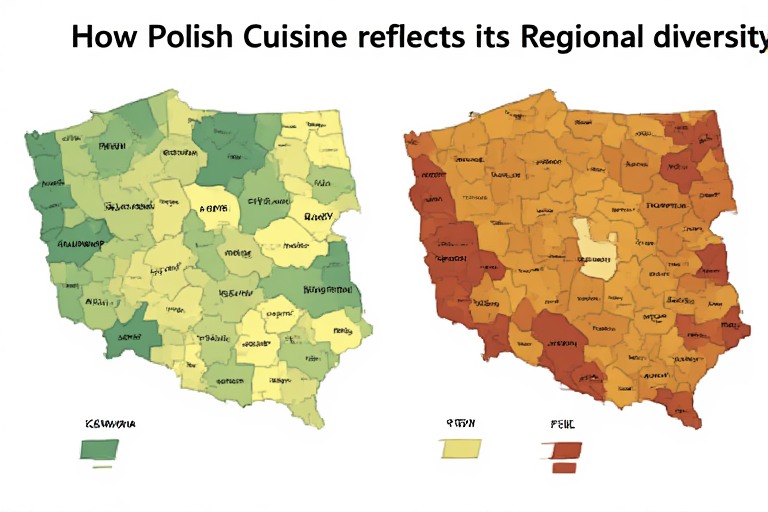
Food culture may also require adjustment. Traditional Polish cuisine is hearty and meat-heavy, but international restaurants and vegetarian options are increasingly available in major cities.
Learning a few basic Polish phrases can also make everyday life easier, especially when dealing with local shops or transportation outside major urban centers.
5. Work Opportunities and Career Growth
International students in Poland often have the opportunity to work part-time during their studies, depending on their visa conditions. Common jobs include hospitality, retail, tutoring, and internships related to their field of study.
The job market is expanding, especially in sectors like IT, engineering, and business services. Many multinational companies have offices in Poland, offering internships and entry-level positions for students and graduates.
Universities also provide career support services, including CV workshops, job fairs, and internship placements. Building a strong professional network during studies can significantly improve career prospects after graduation.
For students planning to stay in Europe after completing their degree, Poland can serve as a valuable stepping stone into the wider European job market.
Conclusion
Student life in Poland offers a well-rounded experience combining quality education, cultural richness, and affordable living. While international students may face challenges such as adapting to a new academic system, weather conditions, and cultural differences, the overall experience is rewarding and growth-oriented.
With the right preparation and an open mindset, studying in Poland can be a life-changing journey that builds both academic knowledge and personal independence.