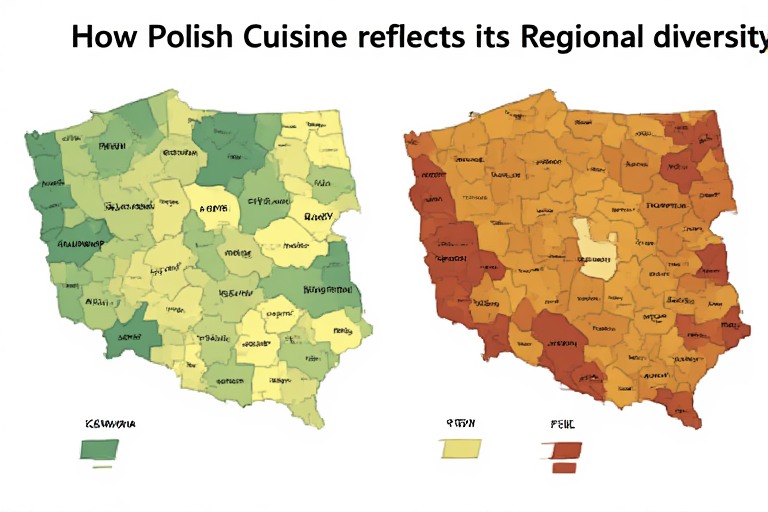
Polish cuisine is often described as hearty, comforting, and deeply rooted in tradition—but that description only tells part of the story. What truly defines it is its regional diversity. Across different parts of Poland, food traditions shift dramatically based on geography, history, and cultural influences. From the mountains in the south to the Baltic coast in the north, each region contributes its own flavors, ingredients, and cooking styles to the national table.
Southern Poland: Mountain Flavors and Hearty Traditions
In the southern highlands, particularly around regions like Podhale and the foothills near Kraków, cuisine is shaped by mountain life and pastoral traditions. The colder climate and rugged terrain have historically encouraged the use of preserved, smoked, and dairy-rich foods.
One of the most iconic foods from this region is oscypek, a smoked sheep’s milk cheese that is often grilled and served with cranberry sauce. This cheese reflects the pastoral lifestyle of the highlanders (Górale), who rely heavily on sheep herding.
Dishes here tend to be filling and warming. Hearty soups, potato-based meals, and smoked meats dominate the table. The influence of neighboring Slovakia also appears in dumpling-like dishes and cheese-based specialties. The result is a cuisine that feels rustic, smoky, and deeply tied to the mountains.
Central Poland: The Culinary Heart of Tradition
Central Poland, including the capital Warsaw, is often considered the culinary melting pot of the country. Because Warsaw has long been a political and cultural hub, its food reflects influences from across Poland and beyond.
Here, classic Polish staples are widely found in their most recognized forms. Pierogi (dumplings filled with potatoes, cheese, meat, or fruit), bigos (hunter’s stew made with sauerkraut and meats), and żurek (sour rye soup) are everyday favorites.
What makes central Polish cuisine distinctive is its balance. It combines rural traditions with urban refinement. In Warsaw especially, traditional recipes are often modernized in restaurants, blending old-world flavors with contemporary presentation.
Northern Poland: Baltic Influence and Seafood Heritage
In the north, especially around the coastal city of Gdańsk, Polish cuisine takes on a completely different identity shaped by the Baltic Sea. Fish and seafood play a much larger role here compared to the rest of the country.
Herring is a cornerstone of northern cuisine, prepared in countless ways—pickled, cream-based, or served with onions and apples. Smoked fish, such as salmon and eel, is also popular due to traditional preservation methods used by coastal communities.
The Hanseatic trade history of Gdańsk brought additional influences from German, Scandinavian, and Dutch cuisines. This is visible in bread varieties, spice usage, and preserved foods. As a result, northern Polish cuisine feels lighter, saltier, and more maritime compared to the inland regions.
Eastern and Western Poland: Blended Borders and Cultural Fusion
While southern, central, and northern Poland often get the most attention, the eastern and western regions also add important layers to the country’s culinary identity.
Eastern Poland, influenced by Lithuanian, Belarusian, and Ukrainian traditions, is known for dishes like kasha (buckwheat groats), potato-based pancakes, and rich soups. This area tends to emphasize simple, agricultural cooking with strong reliance on grains and root vegetables.
Western Poland, shaped by historical German influence, incorporates more baked goods, sausages, and meat-heavy dishes. This blending of traditions became especially visible after border changes in the 20th century, when populations shifted and culinary practices merged.
Together, these regions show how Polish cuisine is not static—it evolves with history, migration, and cultural exchange.
Conclusion: A Cuisine Shaped by Geography and History
Polish cuisine is far more than a single national identity—it is a collection of regional stories told through food. From the smoky cheeses of the southern mountains to the seafood traditions of the Baltic coast, each region contributes something unique. Cities like Kraków, Warsaw, and Gdańsk act as cultural anchors, preserving and reinterpreting these traditions in modern ways.
Understanding Polish food is ultimately about understanding its geography and history. Every dish carries traces of the land it comes from, making Polish cuisine a rich and evolving reflection of regional diversity.