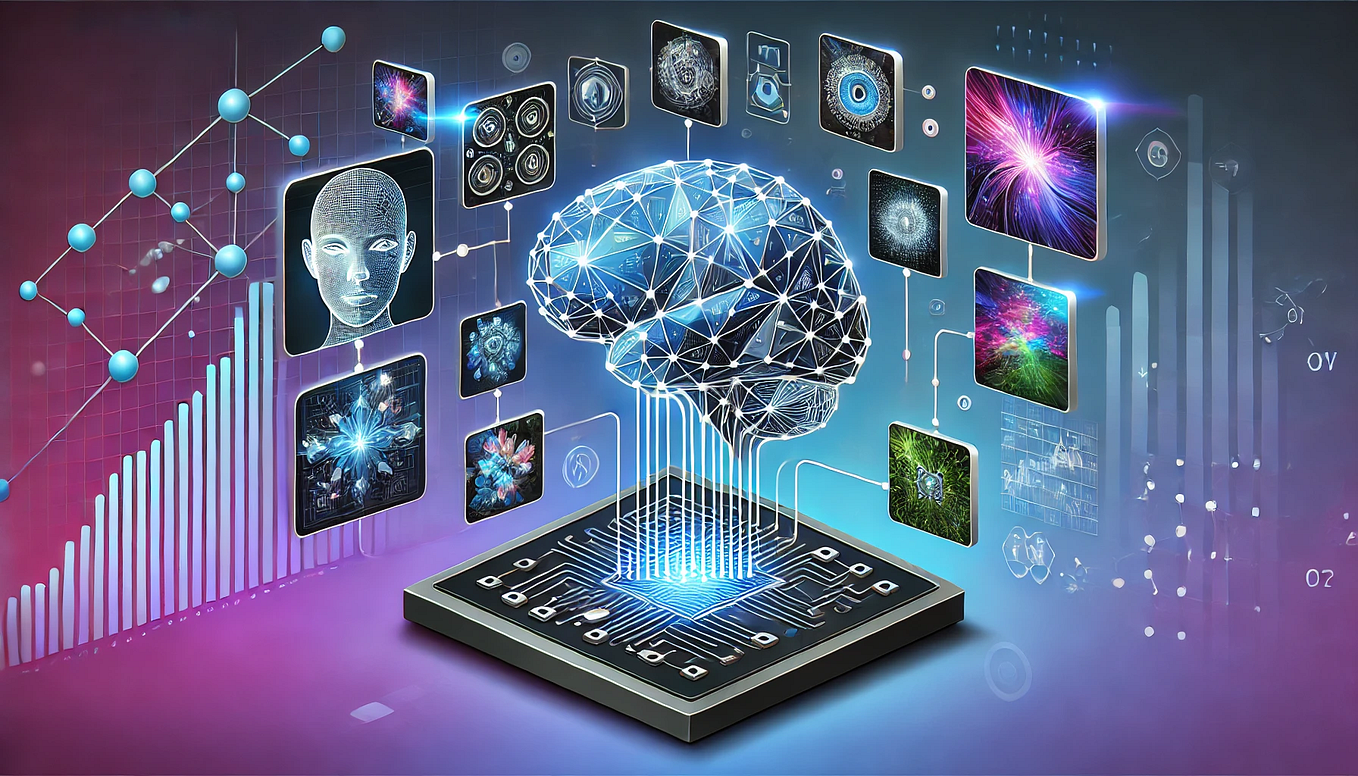
Artificial Intelligence (AI) is rapidly reshaping the cybersecurity landscape. As cyber threats become more sophisticated, traditional security systems are struggling to keep up. AI is now playing a crucial role in detecting, preventing, and responding to cyberattacks faster and more accurately than ever before. In data protection, AI is equally transformative, helping organizations safeguard sensitive information in real time.
1. AI-Powered Threat Detection
One of the most important contributions of AI in cybersecurity is advanced threat detection. Unlike traditional systems that rely on predefined rules, AI systems learn from patterns and behaviors.
Machine learning algorithms can analyze massive amounts of data to identify unusual activity, such as:
- Unusual login attempts
- Abnormal data transfers
- Suspicious network behavior
By detecting these anomalies early, AI can flag potential threats before they escalate into serious breaches.
2. Real-Time Response to Cyber Attacks
Speed is critical in cybersecurity. AI enables real-time threat response, significantly reducing the damage caused by attacks.
AI-driven security systems can:
- Automatically isolate infected systems
- Block malicious IP addresses
- Shut down compromised accounts instantly
This level of automation helps organizations respond to threats in seconds rather than hours or days.
3. Strengthening Data Protection and Privacy
Data is one of the most valuable assets for any organization. AI enhances data protection by continuously monitoring access and usage patterns.
It helps in:
- Encrypting sensitive data dynamically
- Detecting unauthorized access attempts
- Managing user permissions intelligently
AI can also ensure compliance with data protection regulations by monitoring how data is collected, stored, and shared.
4. Predictive Security and Threat Intelligence
AI doesn’t just react to threats—it predicts them. By analyzing historical attack data and global cyber trends, AI systems can forecast potential vulnerabilities.
Predictive security helps organizations:
- Identify weak points in systems before attackers do
- Prepare defenses against emerging threats
- Improve overall cybersecurity strategy
This proactive approach is becoming a key advantage in modern digital security.
5. Challenges of AI in Cybersecurity
Despite its benefits, AI in cybersecurity also comes with challenges:
- AI-powered attacks: Hackers are also using AI to create smarter malware and phishing attacks.
- Data dependency: AI systems require large, high-quality datasets to function effectively.
- False positives: Over-sensitive systems may flag harmless activities as threats.
- Ethical concerns: Privacy issues may arise from constant data monitoring.
Balancing AI innovation with ethical security practices is essential.
Conclusion
AI is transforming cybersecurity and data protection by making systems smarter, faster, and more adaptive. From real-time threat detection to predictive security, AI offers powerful tools to defend against evolving cyber risks. However, as cybercriminals also adopt AI, organizations must continuously improve their defenses. The future of cybersecurity will rely heavily on a balanced partnership between human expertise and artificial intelligence.