Artificial Intelligence is no longer a distant concept—it is actively reshaping how industries operate, how decisions are made, and how work gets done. The central debate today is not whether AI will impact jobs, but how deeply it will transform them: will it replace human workers or generate entirely new career paths?
The answer is more nuanced than simple replacement. AI is likely to both automate certain tasks and simultaneously create new roles that didn’t exist before.
1. Job Automation: What AI Can (and Can’t) Replace

AI is especially effective at handling repetitive, predictable, and data-heavy tasks. This includes areas like:
- Data entry and processing
- Basic customer support (chatbots)
- Routine accounting tasks
- Manufacturing and assembly line operations
- Simple content generation and summarization
These roles are most vulnerable because AI can perform them faster, cheaper, and with fewer errors.
However, AI struggles with:
- Complex human judgment
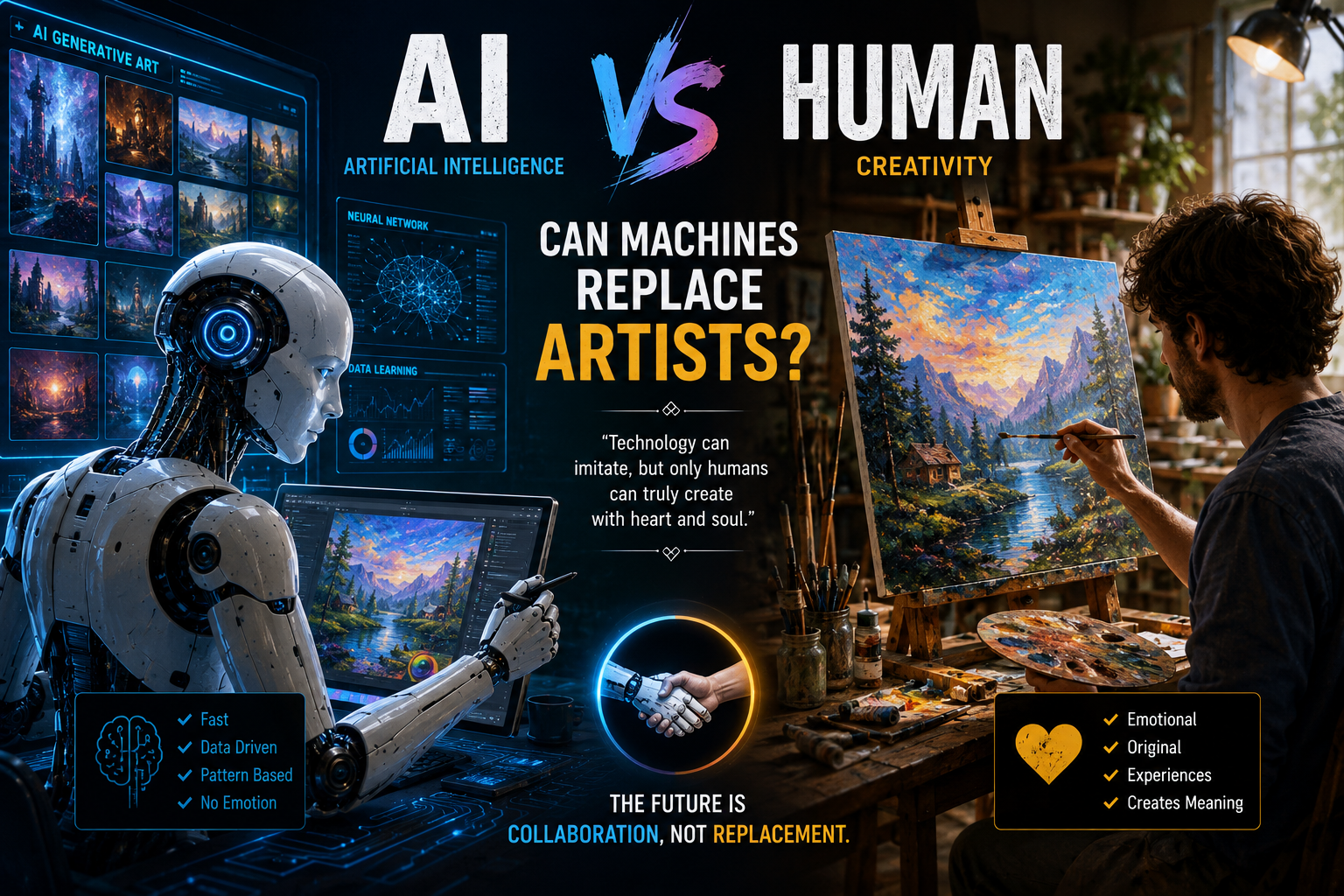
- Emotional intelligence and empathy
- Ethical decision-making
- Creative originality in uncertain contexts
- Deep interpersonal communication
So rather than fully replacing jobs, AI often replaces tasks within jobs, changing how work is performed rather than eliminating entire professions.
2. Job Transformation: The Shift from Tasks to Skills
Most careers will not disappear—they will evolve.
For example:
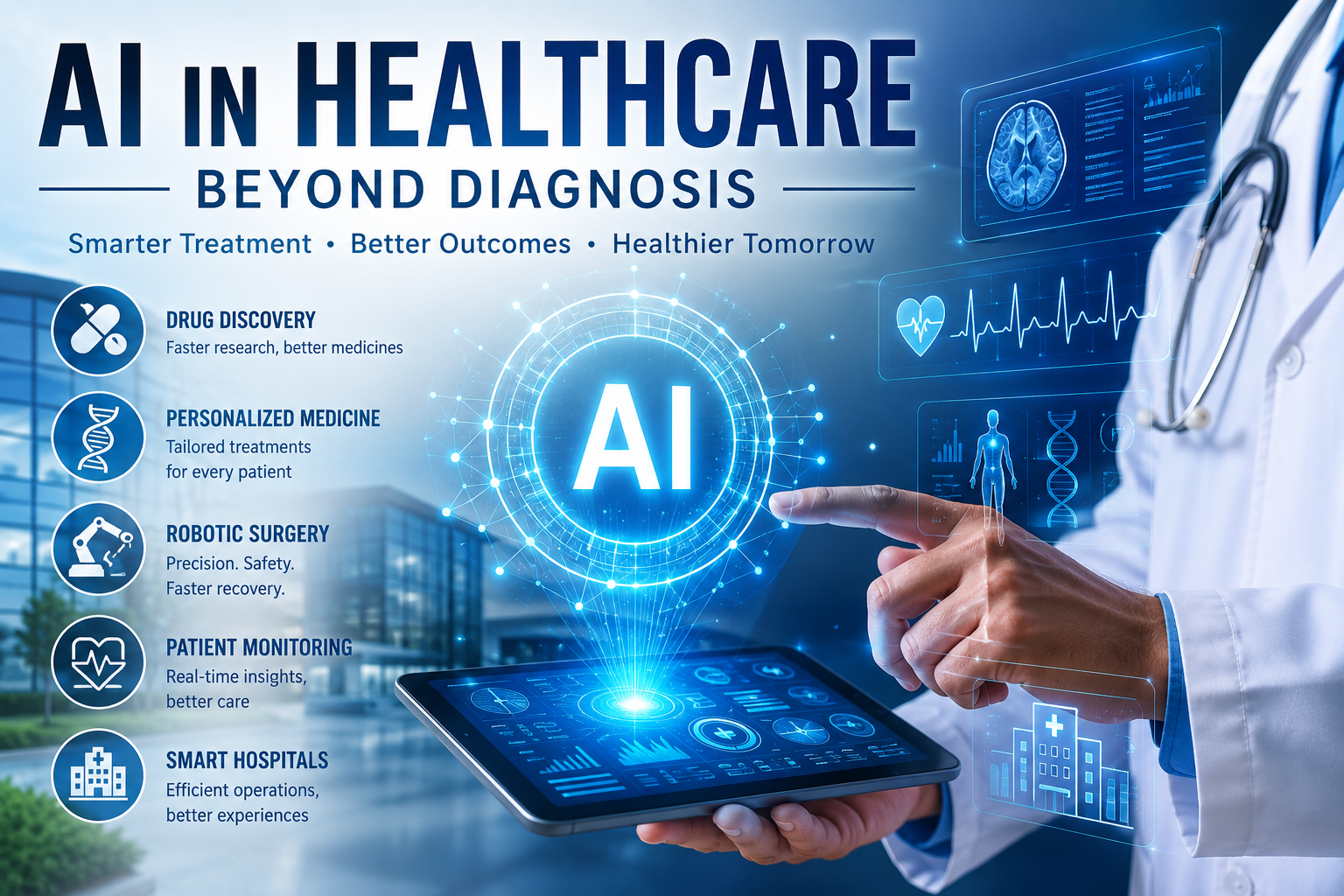
- Doctors may rely on AI for diagnostics but still lead patient care decisions.
- Teachers may use AI tools for personalized learning but still focus on mentorship.
- Marketers may use AI for data analysis but still craft brand storytelling.
This shift means the future workforce will need to focus less on routine execution and more on:
- Critical thinking
- Problem-solving
- Creativity
- Emotional intelligence
- Digital fluency
In other words, humans move “up the value chain” while AI handles repetitive execution.
3. Reskilling: The Key to Staying Relevant
One of the biggest challenges of AI-driven change is not job loss—but skill mismatch.
As automation expands, workers will need continuous reskilling and upskilling. Key areas of focus include:
- AI literacy: understanding how AI tools work
- Data skills: interpreting and working with data
- Digital tools: automation platforms, cloud systems, and AI software
- Soft skills: communication, leadership, adaptability
- Creative thinking: innovation and design-based problem solving
Governments, companies, and educational institutions are increasingly investing in lifelong learning programs to help workers transition smoothly.
4. Emerging Career Opportunities in the AI Era
While some roles decline, many new careers are emerging rapidly. These include:
- AI/ML engineers and researchers
- Data scientists and data ethicists
- AI trainers and prompt engineers
- Automation specialists
- Cybersecurity experts
- Human-AI interaction designers
- Robotics technicians
- Digital transformation consultants
Additionally, entirely new industries are forming around AI governance, ethics, and regulation, ensuring responsible development and use.
5. The Real Impact: Job Polarization vs Job Creation
AI is likely to reshape the labor market in three major ways:
- Automation of low-skill repetitive jobs
- Growth of high-skill tech and creative jobs
- Pressure on mid-skill routine jobs (administration, basic analysis, etc.)
This can lead to job polarization—where demand rises at both high and low ends but shrinks in the middle.
However, historically, technological revolutions (like the internet or industrial automation) have ultimately created more jobs than they destroyed—just in different categories.
Conclusion: Replacement or Reinvention?
AI is not simply a job destroyer—it is a job transformer.
While some roles will disappear, many more will evolve, and entirely new professions will emerge. The biggest determinant of individual success will not be resisting AI, but adapting alongside it.
The future of work will belong to those who can combine human strengths—creativity, empathy, and judgment—with AI-powered tools to work smarter, faster, and more effectively.