Introduction to AIChatbot Technology
AIChatbot represents a major shift in how humans interact with digital systems. Instead of relying on static menus, forms, or manual support channels, users can now communicate with intelligent bots that understand natural language. These AI-powered systems are designed to simulate human conversation while delivering fast, accurate, and context-aware responses. As businesses and users demand more efficient communication tools, AIChatbot technology has become a central part of modern digital ecosystems.
The growing adoption of AIChatbot solutions is driven by the need for instant communication. Whether it is customer support, online shopping assistance, or information retrieval, chatbots are reducing waiting times and improving user satisfaction. This evolution is reshaping how companies engage with their audiences across websites, apps, and messaging platforms.
How AIChatbot Systems Work
At the core of every AIChatbot is a combination of natural language processing (NLP), machine learning, and data analytics. These technologies allow the chatbot to understand user input, interpret meaning, and generate relevant responses. Unlike traditional rule-based bots, modern AIChatbots learn from interactions and continuously improve their accuracy over time.
When a user sends a message, the chatbot analyzes the text, identifies intent, and matches it with the most appropriate response. Advanced systems can even detect tone, sentiment, and context, making conversations feel more natural. This ability to process human language efficiently is what sets AIChatbot technology apart from earlier automation tools.
AIChatbot in Customer Service Transformation
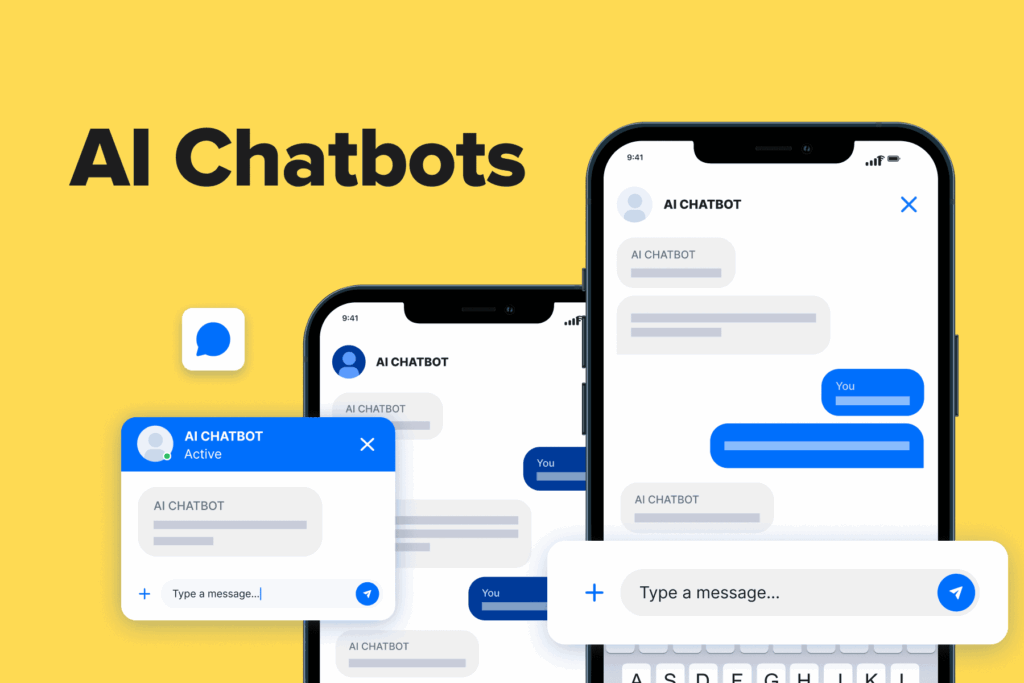
One of the most impactful applications of AIChatbot technology is in customer service. Businesses across industries are deploying chatbots to handle common inquiries such as order tracking, account issues, and product information. This reduces the workload on human agents while ensuring customers receive instant responses.
AIChatbots are available 24/7, which significantly improves service accessibility. Customers no longer need to wait in long queues or depend on limited working hours. Additionally, chatbots can handle multiple conversations simultaneously, making them highly scalable for businesses of all sizes. This efficiency helps companies reduce operational costs while maintaining high-quality customer support.
Enhancing User Experience with Personalization
Modern AIChatbot systems go beyond simple question-and-answer functions. They are capable of delivering personalized experiences based on user behavior and preferences. By analyzing past interactions, purchase history, and browsing patterns, chatbots can recommend products, services, or content tailored to individual users.
This level of personalization creates a more engaging experience and increases user satisfaction. For example, an AIChatbot on an e-commerce website can suggest items based on previous purchases, while a chatbot in a streaming platform can recommend movies or music. This intelligent customization is becoming a key factor in digital user experience design.
AIChatbot in Business Automation and Efficiency
Beyond customer interaction, AIChatbots play a significant role in business automation. Companies use them to streamline internal processes such as employee onboarding, scheduling, data collection, and reporting. This reduces manual workload and allows employees to focus on more strategic tasks.
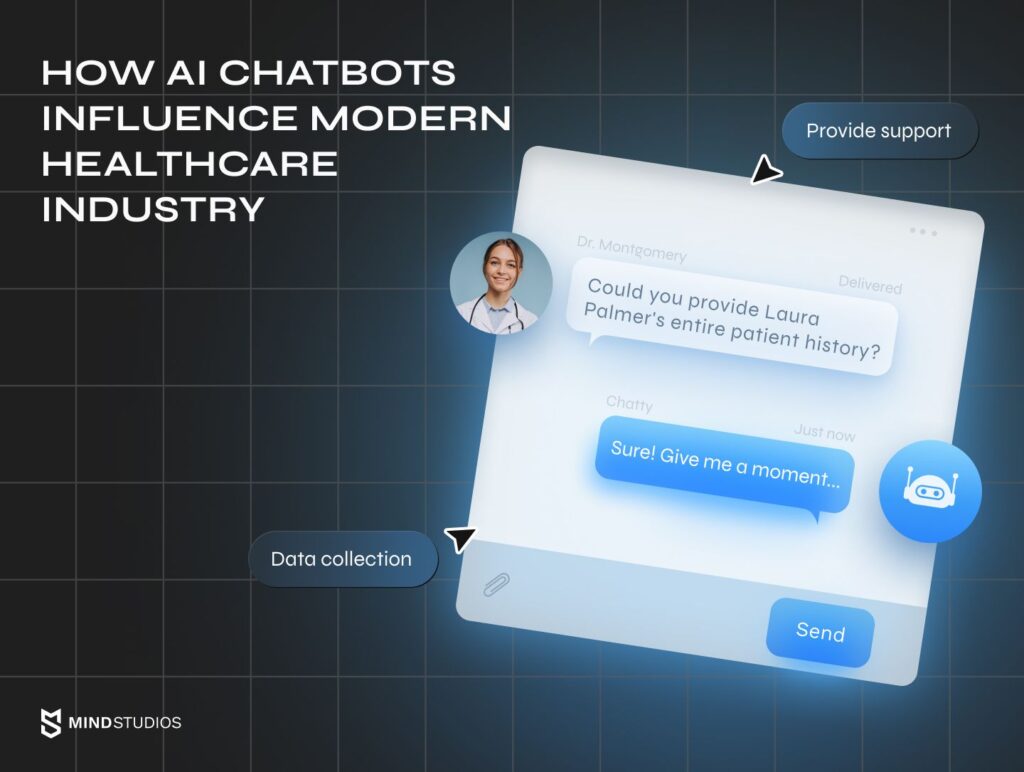
In industries like banking, healthcare, and retail, AIChatbots help automate repetitive tasks that previously required human intervention. For example, in banking, chatbots can assist with balance inquiries, transaction history, and fraud alerts. In healthcare, they can help patients schedule appointments or provide basic medical information. This widespread adoption highlights the versatility of chatbot technology.
The Role of Machine Learning in AIChatbot Evolution
Machine learning is a key driver behind the continuous improvement of AIChatbots. As more users interact with the system, it collects data and learns from real conversations. This helps the chatbot refine its responses and improve accuracy over time.
Machine learning also enables predictive capabilities. AIChatbots can anticipate user needs based on previous behavior and provide proactive suggestions. This shift from reactive to proactive communication is one of the most powerful advancements in chatbot technology, making interactions smoother and more intelligent.
Challenges and Ethical Considerations
Despite their advantages, AIChatbots also come with challenges. One of the main concerns is data privacy. Since chatbots often process sensitive user information, ensuring secure data handling is essential. Companies must implement strong encryption and compliance measures to protect user data.
Another challenge is maintaining transparency. Users should be aware when they are interacting with a chatbot rather than a human. Additionally, while AIChatbots are becoming more advanced, they still have limitations in understanding complex human emotions or highly nuanced queries. Addressing these limitations is crucial for building trust and reliability.
The Future of AIChatbot Technology
The future of AIChatbots is expected to be even more advanced and integrated into daily life. With improvements in artificial intelligence, voice recognition, and contextual understanding, chatbots will become more human-like in their interactions. They will not only answer questions but also assist in decision-making and task execution.
In the coming years, AIChatbots will likely become a standard feature across all digital platforms. From smart homes to autonomous systems, they will act as central communication interfaces between humans and machines. This evolution will continue to redefine how people interact with technology.
Conclusion: AIChatbot as a Digital Communication Revolution
AIChatbot technology is transforming the way communication happens in the digital world. By combining artificial intelligence, automation, and personalization, it delivers faster, smarter, and more efficient interactions.
As this technology continues to evolve, AIChatbots will play an even greater role in shaping customer service, business operations, and everyday digital experiences. They are not just tools of convenience but essential components of the future digital landscape, making communication more intelligent and accessible for everyone.