Artificial intelligence is moving from a “useful tool” to a foundational layer of modern life. Over the next decade, AI is expected to reshape industries, redefine jobs, and quietly integrate into everyday routines in ways that feel less like science fiction and more like infrastructure.
1. AI Becomes a Core Part of Everyday Life
In the next 10 years, AI assistants will evolve from reactive chat tools into proactive digital companions. Instead of just answering questions, they will anticipate needs—scheduling appointments, summarizing emails, managing finances, and even suggesting life decisions based on context.
Companies like OpenAI, Microsoft, and Apple are already moving toward deeply embedded AI ecosystems where assistants operate across devices seamlessly.
You’ll likely see:
- AI managing personal calendars with minimal input
- Real-time translation in conversations and calls
- Smart homes adjusting proactively to habits and mood
- Personalized learning paths for students and professionals
2. Healthcare Becomes Predictive and Personalized
Healthcare will shift from treatment-based systems to prediction-based systems. AI will analyze genetic data, lifestyle patterns, and medical history to detect diseases long before symptoms appear.
Advances driven by research leaders like Google DeepMind and AI-driven biotech firms will push breakthroughs in:
- Early cancer detection
- Drug discovery in weeks instead of years
- Personalized treatment plans based on AI modeling
- Virtual health assistants for continuous monitoring
Hospitals will increasingly rely on AI for diagnostics, while doctors focus more on human judgment and patient care.
3. Jobs Will Transform, Not Just Disappear
Contrary to fears of total job loss, most roles will be redefined rather than eliminated. Routine and repetitive tasks will be automated, while creative, strategic, and human-centered roles will expand.
Key changes include:
- AI copilots in almost every office job
- Surge in AI supervision and ethics roles
- Growth of hybrid professions (e.g., AI-marketing strategist, AI-health analyst)
- Decline in purely repetitive administrative work
Companies like NVIDIA will play a central role by powering the computing infrastructure needed for large-scale AI systems.
4. Education Becomes Fully Personalized
The traditional “one-size-fits-all” education model will be replaced by adaptive AI learning systems. Every student will have a personalized tutor that adjusts difficulty, teaching style, and pacing in real time.
Expect:
- AI tutors available 24/7 for every subject
- Virtual labs for science and engineering experiments
- Real-time skill tracking for job readiness
- Language learning through immersive simulation environments
This shift will make high-quality education more accessible globally, especially in developing regions.
5. AI Will Raise New Ethical and Social Questions
As AI becomes more powerful, society will face complex challenges around privacy, misinformation, and decision-making authority.
Key concerns will include:
- Who controls AI-generated information
- How to prevent bias in automated systems
- Regulation of autonomous decision-making systems
- Protecting personal data in highly connected ecosystems
Governments and organizations will likely introduce stricter global AI governance frameworks, but balancing innovation and control will remain difficult.
Conclusion
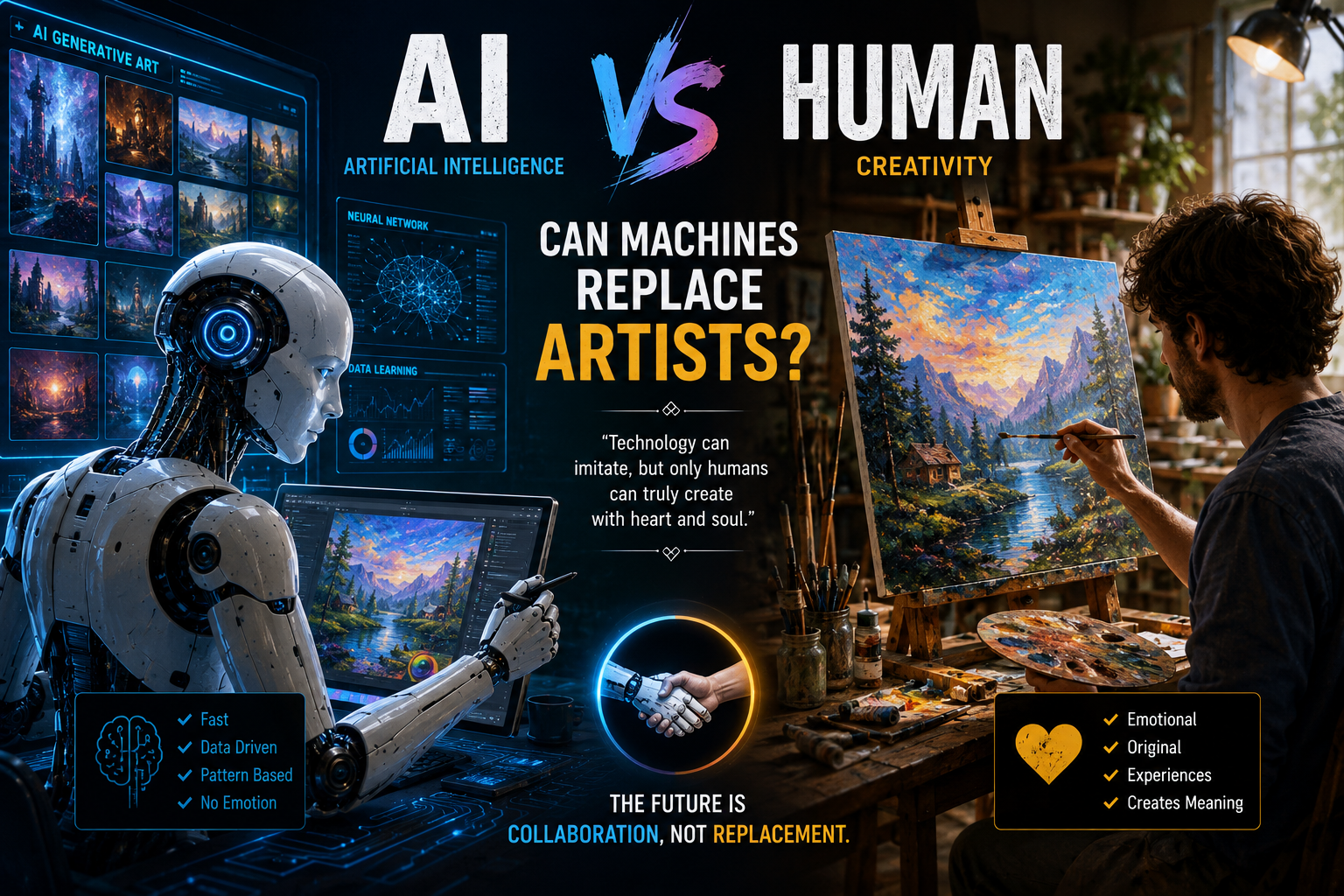
The next 10 years of AI will not be defined by a single breakthrough, but by continuous integration into every layer of life—work, health, education, and communication. The biggest change won’t be what AI can do, but how naturally it becomes part of human decision-making.
Instead of replacing human intelligence, the most realistic future is one where AI amplifies it—reshaping how people think, work, and live on a daily basis.