Artificial Intelligence (AI) has rapidly evolved from generating text and images to creating highly realistic videos. AI video generation is becoming one of the most transformative technologies in the digital world, enabling creators, businesses, educators, and filmmakers to produce professional-quality video content with unprecedented speed and efficiency.
As AI models continue to improve, the future of video generation promises to reshape entertainment, marketing, education, gaming, and social media. From generating entire cinematic scenes from simple text prompts to creating virtual actors and personalized content, AI is opening new possibilities that were once considered science fiction.
What Is AI Video Generation?
AI video generation refers to the use of machine learning models and generative AI systems to create videos automatically. Instead of manually filming and editing footage, users can provide text descriptions, images, audio, or other inputs, and AI generates video content based on those instructions.


Modern AI video tools can:
- Convert text prompts into videos
- Animate still images
- Generate realistic avatars
- Create lip-synced speech
- Produce special effects automatically
- Edit videos using natural language commands
These capabilities are significantly reducing production costs and making video creation accessible to everyone.
Current State of AI Video Technology
Over the past few years, leading AI companies have introduced increasingly sophisticated video generation models. These systems can create short clips featuring realistic motion, lighting, camera movements, and character interactions.
Key improvements include:
Better Visual Realism
Modern AI models generate videos with improved detail, natural movement, and cinematic quality. Advanced neural networks understand physical interactions, shadows, reflections, and object behavior more accurately than earlier systems.
Longer Video Duration
One of the biggest limitations of early AI video models was clip length. Future models are expected to generate longer and more coherent videos while maintaining visual consistency.
Improved Character Consistency
Maintaining the same character appearance throughout a video has historically been challenging. New AI systems are becoming increasingly capable of preserving identities, clothing, facial features, and environments across multiple scenes.
Enhanced Camera Control
Users can now specify:
- Camera angles
- Zoom effects
- Tracking shots
- Drone-style movements
- Cinematic transitions
This provides creators with greater artistic control over generated content.
How AI Video Generation Will Transform Industries
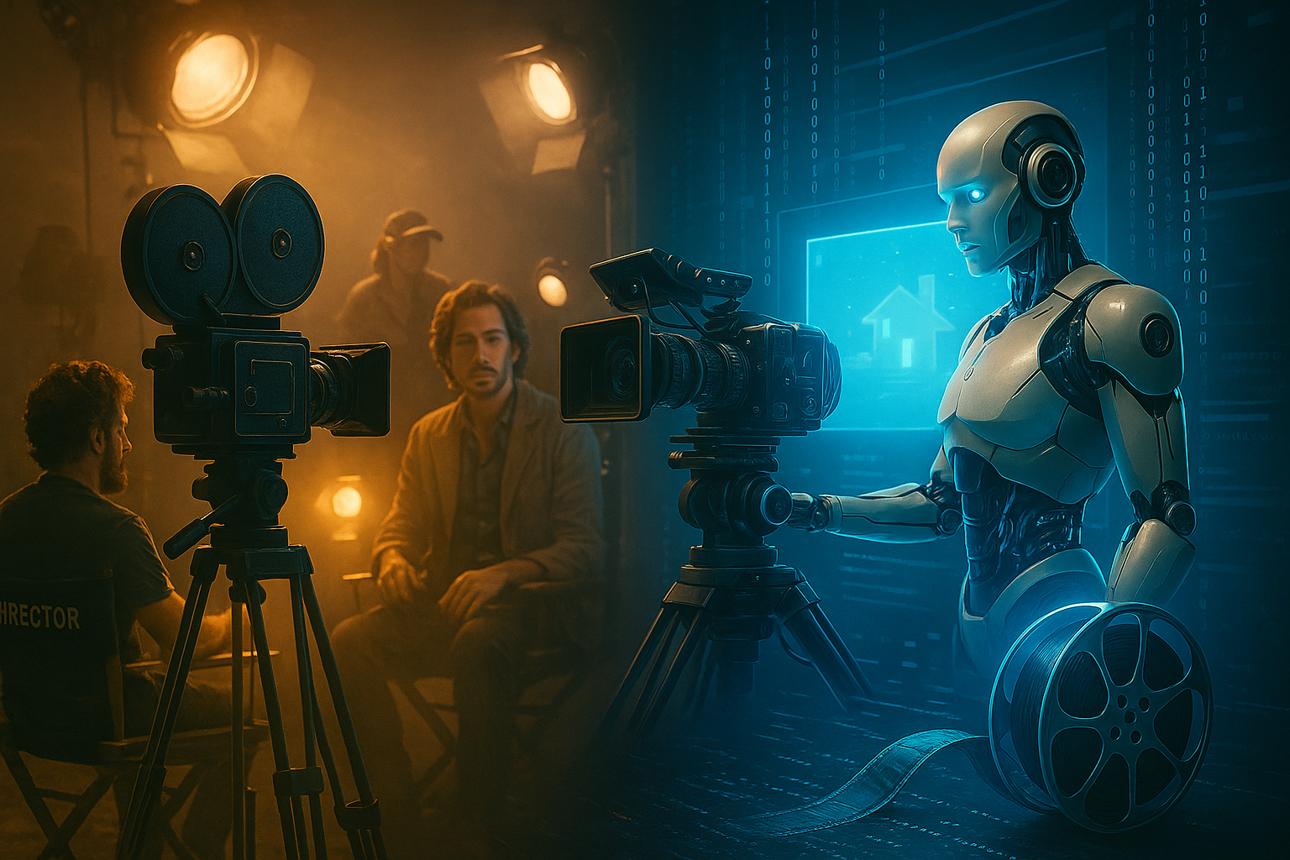
Entertainment and Film Production
The film industry may experience one of the biggest transformations.


Potential applications include:
- Automated scene generation
- Virtual actors
- AI-generated backgrounds
- Rapid pre-visualization
- Cost-effective special effects
Independent filmmakers may gain access to production capabilities that were previously available only to major studios.
Marketing and Advertising
Businesses are already using AI-generated videos to create:
- Product advertisements
- Social media campaigns
- Personalized customer messages
- Training materials
- Promotional content
AI allows marketers to produce multiple versions of a campaign tailored to specific audiences, languages, and demographics.
Education and Training
Educational institutions and corporations can create:
- Interactive lessons
- Animated explanations
- Virtual instructors
- Personalized learning videos
This can significantly improve engagement while reducing production expenses.
Gaming Industry
AI video generation may revolutionize gaming through:
- Dynamic cutscenes
- Personalized narratives
- AI-generated environments
- Real-time storytelling
Future games could generate unique cinematic experiences for every player.
Social Media Content Creation
Content creators increasingly rely on AI tools to produce:
- Short-form videos
- Reels and Shorts
- Tutorials
- Influencer content
- Virtual presentations
This trend is expected to accelerate as AI tools become more accessible.
The Rise of Personalized Video Content
One of the most exciting developments is hyper-personalization.
Imagine receiving:
- Customized advertisements
- Personalized educational content
- AI-generated customer support videos
- Individualized entertainment experiences
Future AI systems may generate unique videos for millions of users simultaneously based on preferences, behavior, language, and location.
This level of personalization could dramatically improve user engagement and customer satisfaction.
Virtual Humans and Digital Actors
AI-generated digital humans are becoming increasingly realistic.


Future virtual actors may:
- Star in movies
- Host television programs
- Deliver news reports
- Serve as customer support representatives
- Teach educational courses
Organizations may create branded AI personalities capable of interacting with audiences 24/7.
AI-Powered Real-Time Video Creation
Today, generating complex videos can take several minutes or hours. Future advancements in computing power and model efficiency may enable real-time video generation.
Potential applications include:
- Live storytelling
- Interactive virtual worlds
- Instant content production
- Real-time virtual broadcasting
- Immersive augmented reality experiences
Real-time AI video generation could become a cornerstone technology for future digital communication.
Integration with Virtual Reality and Augmented Reality
AI-generated video content will likely play a major role in:
- Virtual Reality (VR)
- Augmented Reality (AR)
- Mixed Reality (MR)
Users may soon experience AI-generated worlds that adapt dynamically to their actions and preferences.
Applications include:
- Virtual tourism
- Interactive education
- Immersive gaming
- Digital workplaces
- Virtual events
The convergence of AI and immersive technologies could create entirely new forms of digital experiences.
Challenges Facing AI Video Generation
Despite its promise, several challenges remain.
Deepfake Concerns
AI-generated videos can be used to create misleading or fraudulent content. Addressing misinformation and maintaining trust will be critical.
Copyright Issues
Questions remain regarding:
- Training data ownership
- Intellectual property rights
- Content licensing
- Creator compensation
Governments and organizations are actively working on frameworks to address these concerns.
Ethical Considerations
Society must consider:
- Consent for digital likenesses
- Transparency requirements
- AI disclosure policies
- Protection against manipulation
Responsible AI development will be essential for sustainable adoption.
Computational Costs
High-quality AI video generation requires significant computational resources. Future advances in hardware and model optimization will help reduce costs and increase accessibility.
Emerging Trends to Watch
Several trends are expected to shape the future of AI video generation:
1. Text-to-Movie Systems
Future AI models may generate complete films from detailed scripts.
2. AI Directors
AI could assist with scene composition, pacing, cinematography, and editing decisions.
3. Interactive Storytelling
Viewers may influence narratives in real time, creating personalized story experiences.
4. Multi-Modal AI Systems
Future platforms will combine:
- Text
- Images
- Audio
- Video
- 3D environments
Into a unified content creation workflow.
5. Enterprise Video Automation
Organizations will automate large-scale video production for communication, marketing, and training.
The Economic Impact of AI Video Generation
The global content creation economy is expected to benefit significantly from AI-driven video production.
Potential benefits include:
- Reduced production costs
- Faster content delivery
- Increased accessibility
- New business opportunities
- Enhanced creative experimentation
At the same time, some traditional production roles may evolve as AI handles repetitive and technical tasks.
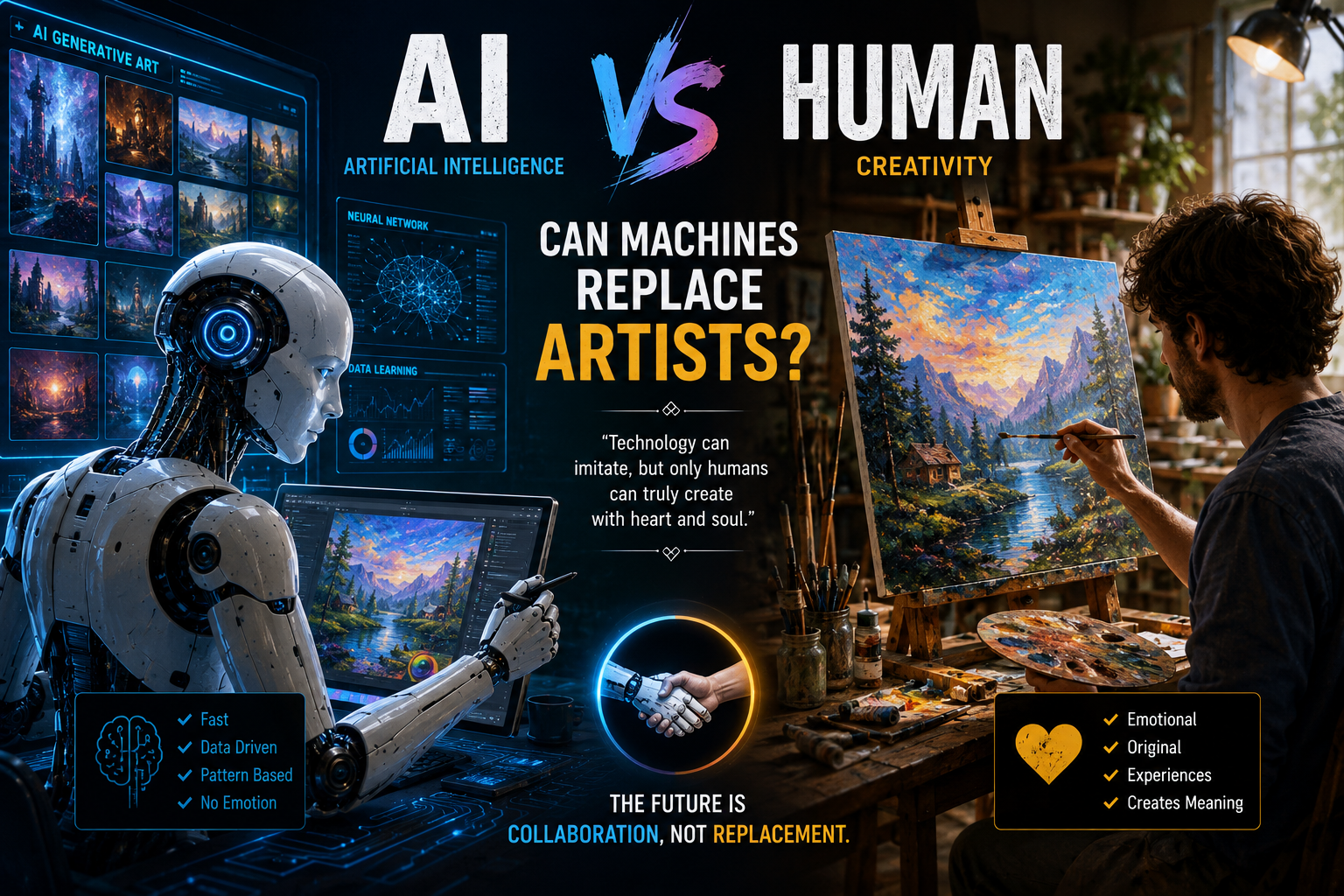
Rather than replacing creativity, AI is likely to augment human creators and enable them to focus on storytelling, strategy, and innovation.
Conclusion
AI video generation is rapidly moving from an experimental technology to a mainstream creative tool. As models become more powerful, accessible, and efficient, they will transform how videos are produced across entertainment, education, marketing, gaming, and communication.
While challenges related to ethics, copyright, and misinformation must be addressed, the potential benefits are enormous. The future points toward a world where anyone can create high-quality video content simply by describing their ideas.
AI is not just changing how videos are made—it is redefining who can create them. The next decade may witness the emergence of a new era of digital storytelling, where imagination becomes the primary limitation rather than technical skill or production budget.